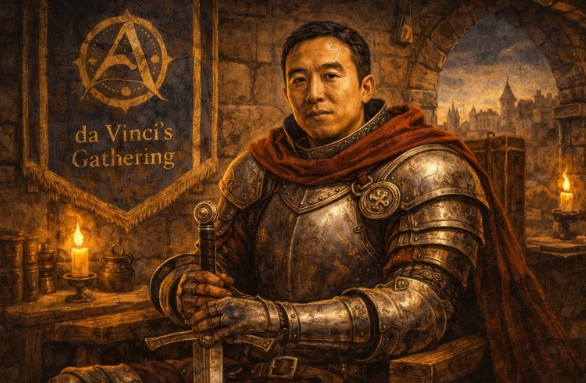
It Is What Happens When a Society Finally Trusts Its People
Universal Basic Income is often framed as a fantasy.
Something futuristic.
Something utopian.
Something irresponsible.
But that framing misses the point.
UBI is not about abundance without effort.
It is about security without submission.
And for creators, workers, and anyone who lives by making rather than managing, it is one of the most practical ideas on the table.
The Problem UBI Is Actually Trying to Solve
Modern economies have a strange contradiction.
We produce more than ever:
- more goods
- more services
- more knowledge
- more leverage
And yet, millions of people live one emergency away from collapse.
Not because they are lazy.
Not because they lack talent.
But because income has been decoupled from contribution.
You can work hard and still be unstable.
You can create value and still be disposable.
You can build things people love and still lack healthcare.
That is not a moral failure.
It is a structural one.
Why Work No Longer Guarantees Dignity
For most of history, work and survival were closely linked.
You labored.
You produced.
You endured.
The bargain was harsh—but clear.
Today, the bargain is broken.
- Automation removes jobs faster than retraining replaces them
- Platforms extract value without offering stability
- Creative work is celebrated but rarely protected
- Essential labor is praised but underpaid
We still demand productivity, but we no longer guarantee security.
That mismatch creates anxiety—not laziness.
What Universal Basic Income Actually Is
At its core, UBI is simple:
Every adult receives a guaranteed income floor.
No conditions.
No means testing.
No humiliation.
It does not replace work.
It changes the terms under which work happens.
With UBI:
- you can refuse exploitative labor
- you can take creative risks
- you can learn without panic
- you can recover from setbacks
It is not payment for doing nothing.
It is protection from falling through the floor.
Why Creators Understand UBI Before Economists Do
Writers, artists, musicians, builders, and freelancers live in the future already.
We know:
- income is uneven
- effort is not linear
- success is delayed
- learning requires time
We know what it’s like to:
- work for years before results appear
- produce value that is hard to measure
- carry risk personally while others profit
UBI doesn’t make creators lazy.
It makes them possible.
The Myth That People Will “Stop Working”
This fear says more about our institutions than about people.
When given security, most people:
- don’t stop working
- they stop tolerating meaningless work
They:
- care for family
- learn skills
- start small businesses
- create art
- volunteer
- build community
UBI doesn’t eliminate effort.
It redirects it.
UBI as the Missing Layer in the Economy
Think of society like a structure.
At the bottom:
- food
- shelter
- healthcare
- stability
Above that:
- work
- learning
- creativity
- contribution
Without a stable foundation, everything above it is fragile.
UBI provides the floor.
Not the ceiling.
Why UBI Pairs Naturally With Apprenticeship
Here’s what critics often miss:
UBI does not replace training, standards, or effort.
It supports them.
With UBI:
- apprentices can learn without starvation
- mentors can teach without exploitation
- people can take time to become good
Historically, apprenticeships worked because:
- survival was communal
- learning was protected
- failure was survivable
UBI recreates those conditions in a modern world.
The Political Power of a Secure Population
A population that isn’t desperate:
- thinks more clearly
- votes more independently
- resists demagogues
- builds patiently
Precarity makes people easy to manipulate.
Security makes people harder to control.
This is why UBI is often resisted—not because it’s impractical, but because it shifts power.
UBI Is Not the End of Ambition
UBI does not cap success.
It simply says:
No one should have to beg in order to contribute.
You can still:
- build businesses
- earn royalties
- create wealth
- save for retirement
UBI does not flatten outcomes.
It flattens risk of ruin.
Why This Matters Now
AI, automation, and leverage are accelerating.
We can:
- let insecurity deepen
- or redesign the floor
Creators already see the path forward:
- shared tools
- ownership
- coordination
- public support
UBI is not a replacement for work.
It is the scaffolding that lets better work emerge.
A Final Thought
Every society decides, implicitly or explicitly, what it owes its members.
UBI says:
- you are trusted
- you are allowed to breathe
- you are not disposable
For creators, that trust is oxygen.
And when people can finally breathe, they tend to build remarkable things.
If this resonates, you’re welcome to read along. We write quietly from da Vinci’s Gathering—where creators organize, dignity matters, and the future is planned patiently.